
The first five years of life are the best time for children to learn and develop the skills they will need throughout their life. It is important for parents to know their children are growing and reaching important milestones. Healthy Development Services (HDS) provides screening, assessment and treatment for infants, toddlers and preschoolers with mild to moderate developmental and/or behavioral concerns who would otherwise not qualify for early intervention. Our team at Palomar UC San Diego Health supports parents and other caregivers in ensuring they have the resources they need to keep their child thriving in school and life. Every child is unique and services are designed based on your child and family’s specific needs. While the majority of our services are provided in person, virtual options may also be available. These options will be shared with you at your initial visit.
Funded by the First 5 San Diego through revenue from the Proposition 10 tobacco tax, HDS is offered at no cost to families who qualify for these services.
Eligibility includes:
- Children from birth through age five until the time they start Kindergarten or reach their sixth birthday, whichever comes first
- Family lives within San Diego County
- Children who do NOT qualify for early intervention services such as Regional Center, School District or Insurance
HDS is a countywide system of care that promotes children’s optimal development and learning by identifying and addressing concerns early. We offer a network of services which begins with Screening and Assessment and an opportunity for each provider at HDS to partner with you to determine the best possible care for your child.
Los primeros cinco años de vida son el periodo ideal para que los niños aprendan y desarrollen las habilidades que necesitarán a lo largo de su vida. Es importante que los padres sepan que sus hijos están creciendo y alcanzando indicadores de desarrollo. Los Servicios de Desarrollo Saludable (HDS) brindan detección, evaluación y tratamiento para bebés, niños pequeños y preescolares con problemas de desarrollo y/o comportamiento de leves a moderados que de otro modo no calificarían para la intervención temprana. Nuestro equipo en Palomar UC San Diego Health apoya a los padres y otros cuidadores para garantizar que tengan los recursos que necesitan para que sus hijos sigan prosperando en la escuela y en la vida. Cada niño es único y los servicios están diseñados en función de las necesidades específicas de su hijo y su familia. La mayoría de nuestros servicios se brindan de manera presencial, pero también podrían estar disponibles opciones virtuales.
Los servicios HDS son financiados por First 5 San Diego y se brindan SIN COSTO para las familias que cumplen con los siguientes requisitos.
- Niños desde el nacimiento hasta los cinco años hasta que comienzan el kínder o cumplen seis años, lo que ocurra primero
- La familia vive dentro del condado de San Diego
- Niños que NO califican para servicios de intervención temprana como el Centro Regional, el Distrito Escolar o no cuentan con seguro médico.
HDS es un sistema de atención en todo el condado que promueve el desarrollo y el aprendizaje óptimo de los niños al identificar y abordar las inquietudes tempranamente. Ofrecemos una red de servicios que comienza con la detección y evaluación y una oportunidad para que cada proveedor de HDS trabaje con usted para determinar la mejor atención posible para su hijo.

Parent Workshops
Parent Workshops are a fun and engaging way for you to learn more about your baby and what to expect as they learn and grow…
Read More
Parent Workshops are a fun and engaging way for you to learn more about your baby and what to expect as they learn and grow.
Infant Massage
Infant Massage promotes nurturing touch and compassionate communication that all babies need for healthy development. Our workshops are offered to parents/caregivers and their babies from 6 weeks up until they start crawling. In each workshop, participants learn quiet activities (massage, nurturing touch, lullabies, etc.) and spend time recognizing their child’s ways of communication, both verbally and non-verbally. Workshops are scheduled once a week in small groups allowing the time and space to learn from each other’s knowledge and experience.
Baby Steps
Parents want to provide the best for their newborns, but the early days can be long and demanding. Learn strategies and get support at a free Baby Steps gathering. Parents and children from birth to 15 months of age (prior to walking) are welcome.
Baby Steps
Baby Steps are weekly gatherings to help parents/caregivers learn helpful strategies such as how to understand your baby’s cues, build a stronger bond with your baby and develop self-confidence in parenting, all while connecting with other parents/caregivers! This workshop is for parents/caregivers and their babies from 8 weeks up until they start walking. Workshops are scheduled once a week for 7 weeks in small groups, allowing the time and space to learn from each other’s knowledge and experience.
Read Less
Care Coordination
Care Coordination is provided to support families as they navigate the HDS system…
Read More
Read Less
Developmental Screening and Assessment
Our Developmental Screening and Assessment takes a closer look at your child to see if they are on track…
Read More
Our Developmental Screening and Assessment takes a closer look at your child to see if they are on track to meet important milestones in all areas of development (see below for areas of development). The information you provide in addition to the observation and assessment by our HDS specialist will help to identify your child’s strengths and areas of need.
Our specialist will work with you to develop a plan of care which can include one or more treatment services here at HDS.
Screening and assessment at HDS is not meant to establish a diagnosis for a child, but rather to help our team determine if HDS is the best first step in receiving treatment services or if an in-depth evaluation is needed by one of our community partners.
Areas of Development
Social Emotional
Positive social emotional development in the early years provides a critical foundation for lifelong development and learning. Social development refers to a child’s ability to create and sustain meaningful relationships with adults and other children. Emotional development is a child’s ability to express, recognize and manage his or her emotions, as well as respond appropriately to others’ emotions. Both social and emotional development are important for young children’s mental health. In fact, early childhood mental health is the same as social and emotional development!
Language and Communication
Language development is the process of hearing and using sounds to communicate. It begins early with sounds and gestures and develops into words and complete sentences. Language development establishes the foundation for other child development domains, such as cognitive, social and literacy.
Other benefits of language development include:
- Supports children’s ability to communicate by expressing desires and emotions
- Promotes children’s thinking ability
- Helps children develop and maintain relationships with teachers, caregivers and peers
- Establishes the foundation for literacy skills such as reading and writing
The two main skill areas of language development are receptive and expressive language. The primary difference between expressive and receptive language skills lies in talking and listening. While receptive language skills involve listening and understanding, expressive language skills involve talking.
Cognitive
Cognitive development refers to how children think, learn, explore, remember and solve problems. It begins in infancy and continues to develop throughout adulthood as a result of life experiences. Infants and children learn by interacting with their environment, through play and everyday routines.
Movement/Physical Development
Motor skills are essential for a child’s physical strength and movement. They begin developing after birth and will progress as children grow. Having good motor control helps children to explore the world around them, which will help with all areas of development. Motor skills are broken up into two categories: gross motor skills (movements related to large muscles such as legs, arms and trunk – they look like sitting up, crawling, pulling to stand and walking) and fine motor skills (movements involving smaller muscle groups such as those in the hand and wrist) – they are used when playing with toys, feeding self and writing. Mastering both are important for children’s growth and independence.)
Sensory
Sensory integration is the process by which we receive information through our senses, organize this information and use it to participate in everyday activities. Children continuously engage their senses to learn about the world around them.
Read Less

Specialized Classes
Each class is designed to support both parent and child in learning new skills and…
Read More
Read Less
Parent Coaching
Developmental and/or Behavioral Specialist meet one-on-one with the parent and child…
Read More
Read Less

Developmental and Behavioral Therapy
Therapy services are provided by a team of licensed clinicians who specialize in early childhood…
Read More
Therapy services are provided by a team of licensed clinicians who specialize in early childhood. They provide individual or group therapy services for children who do not qualify through their insurance or other programs. All services are offered in a supportive and play-based environment and include parent/caregiver participation and home activities to reinforce strategies learned during sessions.
Speech Therapy
Speech and language therapy can help children learn to communicate and engage in the world around them more effectively and comfortably. Speech therapists use play-based techniques to help children express their wants and needs independently, increase speech intelligibility, understand as well as follow directions and routines and strengthen oral motor muscles used in speech and feeding. Parents will learn how to build their child’s language skills naturally during everyday routines and activities.
Occupational Therapy
Occupational therapists work to help children master daily life skills. Just as occupational therapy can help adults function better at their jobs, occupational therapists help children succeed in the important areas of their lives, like play! Play helps to develop physical coordination, emotional maturity, social skills to interact with other children and self-confidence to try new experiences and explore new environments. Our occupational therapy services address sensory processing and integration difficulties, motor coordination and perceptual difficulties to help children develop the foundations they need to be successful in the occupations of childhood: school, play and self-help skills.
Physical Therapy
Physical therapists are eager to help your child explore the world. They strive to make every session fun, while working on improving strength, flexibility, range of motion, posture, balance and movement patterns for any child in need of intervention.
Physical therapy can assist infants working toward acquiring age-appropriate gross motor skills such as tummy time, crawling and walking. Infants can also benefit from services addressing plagiocephaly and torticollis. For older children, physical therapy can support gross motor skills such as walking and running patterns and hopping and skipping.
Behavior Therapy
Behavior therapy focuses on improving the parent/child relationship. During therapy sessions, parents are taught and given the opportunity to practice specific skills to decrease negative behaviors and increase positive communication with their child.
Read Less
Talleres para padres
Los talleres para padres son una forma divertida y atractiva de aprender más sobre su bebé y entender qué esperar mientras crece…
Leer Más
Los talleres para padres son una forma divertida y atractiva de aprender más sobre su bebé y entender qué esperar mientras crece y se desarrolla.
Masaje infantil
El masaje infantil promueve el contacto afectuoso y la comunicación compasiva que todos los bebés necesitan para un desarrollo saludable. Nuestros talleres se ofrecen a padres/cuidadores y a sus bebés desde las 6 semanas hasta que empiezan a gatear. En cada taller, los participantes aprenden más sobre los beneficios del masaje infantil tanto para el cuidador como para el bebé mientras aprende cómo leer y adaptarse mejor a las señales de su hijo tanto verbal como no verbal. Los talleres se llevan a cabo una vez por semana en grupos reducidos, lo que brinda la oportunidad de compartir conocimientos y experiencias con los demás participantes.
Pequeños pasos
Los padres quieren brindar lo mejor a sus recién nacidos, pero satisfacer las necesidades constantes de un recién nacido implica tiempo y energía. Aprenda estrategias y obtenga apoyo en una reunión gratuita de Baby Steps. Los padres y los niños desde el nacimiento hasta los 15 meses de edad (antes de caminar) son bienvenidos.
Leer Menos
Coordinación de servicios
La coordinación de servicios se proporciona a las familias para ayudarlas a navegar el sistema de atención de HDS…
Leer Más
Leer Menos
Pruebas diagnósticas y evaluaciones del desarrollo
La evaluación del desarrollo analiza más de cerca a su hijo para ver si está en camino…
Leer Más
La evaluación del desarrollo analiza más de cerca a su hijo para ver si está en camino de alcanzar metas importantes en todas las áreas de desarrollo (consulte las áreas de desarrollo a continuación). La información que usted proporcione, además de la observación y evaluación de nuestro especialista de HDS, ayudará a identificar las fortalezas y áreas de necesidad de su hijo. Nuestro especialista trabajará con usted para crear un plan que puede incluir uno o más servicios de tratamiento aquí en HDS.
Las pruebas de detección y evaluación en HDS no tienen objetivo en establecer un diagnóstico para un niño sino más bien ayudar a nuestro equipo a determinar si HDS es el mejor primer paso para recibir servicios de tratamiento o si es necesario una evaluación por uno de nuestros socios comunitarios.
Áreas de desarrollo
Socioemocional
El desarrollo socioemocional positivo en los primeros años proporciona una base fundamental para el desarrollo y el aprendizaje a lo largo de toda la vida. El desarrollo social se refiere a la capacidad de un niño para crear y mantener relaciones significativas con adultos y otros niños. El desarrollo emocional es la capacidad de un niño para expresar, identificar y manejar sus emociones, así como responder adecuadamente a las emociones de los demás. Tanto el desarrollo social como el emocional son importantes para la salud mental de los niños pequeños. De hecho, ¡la salud mental de la primera infancia es lo mismo que el desarrollo socioemocional!
Lenguaje y comunicación
El desarrollo del lenguaje es el proceso de escuchar y utilizar sonidos para comunicarse. Comienza temprano con sonidos y gestos y se desarrolla en palabras y oraciones completas. El desarrollo del lenguaje establece las bases para otros dominios del desarrollo infantil, como el cognitivo, el social y el de alfabetización
Otros beneficios del desarrollo del lenguaje incluyen:
- Apoya la capacidad de los niños para comunicarse expresando deseos y emociones
- Promueve la capacidad de pensamiento de los niños
- Ayuda a los niños a desarrollar y mantener relaciones con maestros, cuidadores y compañeros
- Establece las bases para las habilidades de alfabetización, como la lectura y la escritura
Las dos áreas principales de habilidades del desarrollo del lenguaje son el lenguaje receptivo y el expresivo. La principal diferencia entre las habilidades del lenguaje expresivo y receptivo radica en hablar y escuchar. Mientras que las habilidades del lenguaje receptivo implican escuchar y comprender, las habilidades del lenguaje expresivo implican hablar.
Cognitivo
El desarrollo cognitivo se refiere a cómo los niños piensan, aprenden, exploran, recuerdan y resuelven problemas. Comienza en la infancia y continúa desarrollándose durante la edad adulta como resultado de las experiencias de la vida. Los bebés y los niños aprenden interactuando con su entorno, mediante el juego y las rutinas cotidianas.
Movimiento/desarrollo físico
Las habilidades motoras son esenciales para la fuerza física y el movimiento de un niño. Comienzan a desarrollarse después del nacimiento y progresarán a medida que los niños crezcan. Tener un buen control motor ayuda a los niños a explorar el mundo que les rodea, lo que les ayudará en todas las áreas de su desarrollo. Las habilidades motoras se dividen en dos categorías: habilidades motoras gruesas (movimientos relacionados con músculos grandes como piernas, brazos y tronco; incluyen sentarse, gatear, ponerse de pie y caminar y habilidades motoras finas movimientos que involucran grupos de músculos más pequeños como los de la mano y la muñeca) se utilizan al jugar con juguetes, alimentarse y escribir. Dominar ambos es importante para el crecimiento y la independencia de los niños.
Sensorial
La integración sensorial es el proceso mediante el cual recibimos información a través de nuestros sentidos, organizamos esta información y la utilizamos para participar en las actividades cotidianas. Los niños utilizan continuamente sus sentidos para aprender sobre el mundo que los rodea.
Leer Menos
Clases especializadas
Cada clase está diseñada para apoyar tanto a los padres como a los niños en el aprendizaje de nuevas habilidades…
Leer Más
Leer Menos
Entrenamiento para padres
El especialista en desarrollo y/o comportamiento se reúne individualmente con los padres y el niño…
Leer Más
Leer Menos
Terapia de desarrollo y comportamiento
Los servicios de terapia son proporcionados por un equipo de profesionales certificados que se especializa en la primera…
Leer Más
Los servicios de terapia son proporcionados por un equipo de profesionales certificados que se especializan en la primera infancia. Proporcionan servicios de terapia individual o grupal para niños que no califican a través de su seguro médico u otros programas. Todos los servicios se ofrecen en un entorno de apoyo y basados en el juego e incluyen la participación de los padres/cuidadores y actividades en el hogar para reforzar las estrategias aprendidas durante las sesiones.
Terapia del habla y lenguaje
La terapia del habla y el lenguaje puede ayudar a los niños a aprender a comunicarse y a participar en el mundo que les rodea de manera más eficaz y cómoda. Los patólogos del habla y el lenguaje utilizan técnicas basadas en el juego para ayudar a los niños a expresar sus deseos y necesidades de forma independiente, aumentar la inteligibilidad del habla, comprender y seguir instrucciones y rutinas y fortalecer los músculos motores orales utilizados en el habla y la alimentación. Los padres aprenderán cómo desarrollar las habilidades lingüísticas de sus hijos de forma natural durante las rutinas y actividades diarias.
Terapia ocupacional
Los terapeutas ocupacionales trabajan para ayudar a los niños a dominar las habilidades de la vida diaria. Así como la terapia ocupacional puede ayudar a los adultos a funcionar mejor en sus trabajos, los terapeutas ocupacionales ayudan a los niños a tener éxito en áreas importantes de sus vidas, ¡como el juego! El juego ayuda a desarrollar la coordinación física, la madurez emocional, las habilidades sociales para interactuar con otros niños y la confianza en sí mismos para probar nuevas experiencias y explorar nuevos entornos. Nuestros servicios de terapia ocupacional abordan las dificultades de integración y procesamiento sensorial, la coordinación motora y las dificultades de percepción para ayudar a los niños a desarrollar las bases que necesitan para tener éxito en las ocupaciones de la niñez: escuela, juego y habilidades de autoayuda.
Terapia física
Los fisioterapeutas están ansiosos por ayudar a sus hijos a explorar el mundo y se esfuerzan para que cada sesión sea divertida, mientras trabajan para mejorar la fuerza, la flexibilidad, el rango de movimiento, la postura, el equilibrio y los patrones de movimiento de los niños que necesiten intervención.
La fisioterapia ayuda a los bebés a adquirir las habilidades motoras gruesas apropiadas para su edad, como pasar tiempo boca abajo, gatear y caminar. La fisioterapia también brinda tratamiento a los problemas de plagiocefalia y tortícolis. Para los niños mayores, la fisioterapia apoya las habilidades motoras gruesas como caminar, correr, saltar y brincar.
Terapia de comportamiento
La terapia de comportamiento se centra en mejorar la relación entre padres e hijos. Durante las sesiones de terapia, a los padres se les enseña y se les da la oportunidad de practicar habilidades específicas para disminuir los comportamientos negativos y aumentar la comunicación positiva con sus hijos.
Leer Menos
Get Started
Are you interested in more information about receiving HDS services for your child?
Please complete the information below and our Intake Coordinator will give you a call within five days to gather more information and help you decide if HDS is a good fit for you and your child.
Provider Information
- Are you a physician, preschool/daycare, or other community partner working with young children and families looking to refer a child to Healthy Development Services? Download and Complete the Referral Form and return it to HDS by email or fax.
- If you are interested in learning more about HDS, have a question about a child you referred to our program or would like HDS flyers to be distributed to your families, please call our office at 877.504.2299.
Empezar
¿Está interesado en obtener más información sobre cómo recibir servicios de HDS para su hijo?
Llene los datos a continuación y nuestro Coordinador de admision se pondrá en contacto con usted en un plazo de cinco días para recabar más información y asistirle en determinar si HDS es la opción adecuada para usted y su hijo.
Información del proveedor
- ¿Es usted médico, preescolar/guardería u otro socio comunitario que trabaja con niños pequeños y familias que buscan referir a un niño a Servicios de Desarrollo Saludable? Descargar y Llene el formulario de referencia y devuélvalo a HDS por correo electrónico o fax.
- Si está interesado en aprender más sobre HDS, tiene alguna pregunta sobre un niño que recomendó a nuestro programa o desea que se distribuyan folletos de HDS a sus familias, llame a nuestra oficina al 877.504.2299.
FAQs
Questions most commonly asked by our parents about Healthy Development Services
What is developmental screening and why is it important?
Not every delay is visible to the eye. Developmental delays and disabilities often go undetected until a child enters elementary school. Study after study has shown that the earlier a delay is recognized and intervention has begun, the better the child’s chance of significant improvement. Developmental screening is one of the best things you can do to ensure a child’s success in school and life and that’s why we have made it a top priority.
Screening and assessment at HDS is not meant to establish a diagnosis for a child, but rather to help our team determine if HDS is the best first step in receiving services or if an in-depth evaluation is needed by one of our community partners.
Does every child need developmental screening?
Yes, every child and parent/caregiver benefits from an annual screening, or “developmental check-up”. It is an opportunity to learn what your child can do (their strengths) and to identify any areas in which they need support. You will also learn what to expect next and all the fun things to include in your everyday routines to help them thrive!
If we have concerns, can we just wait and see if our child “grows out of it”?
There is no “down side” to a “developmental check-up”. Research shows that identifying areas of concern and starting services early gives a child the best chance to learn and grow. Early support can reduce the need for services later in life. In fact, it is more cost effective to provide services early than to wait until the child is older.
Are there costs for these services?
HDS services are funded by First 5 San Diego and provided at NO COST for families who meet the
following eligibility:
- Children from birth through age five until the time they start Kindergarten or reach their sixth birthday, whichever comes first
- Family lives within San Diego County
- Children who do NOT qualify for early intervention services such as Regional Center, School District or Insurance
Do you provide Teleservices?
Every child is unique and services are designed based on your child and family’s specific needs. While the majority of our services are provided in-person, virtual options may also be available. These options will be shared with you at your initial visit.
Preguntas frecuentes
Preguntas más frecuentes de nuestros padres sobre los Servicios de Desarrollo Saludable
¿Qué es una prueba del desarrollo y por qué es importante?
No todos los retrasos se pueden ver a simple vista. Algunos de los retrasos y discapacidades en el desarrollo pasan desapercibidos hasta que el niño ingresa a la escuela primaria. Diversos estudios han demostrado que cuanto antes se identifique un retraso y se inicie la intervención, mayores serán las posibilidades de que el niño obtenga una mejora significativa. Una evaluación del desarrollo es una de las acciones más importantes que un padre puede hacer para garantizar el éxito de su niño en la escuela y en la vida y es por eso que la hemos convertido en una máxima prioridad.
Las pruebas de detección y evaluación en HDS no tienen como objetivo establecer un diagnóstico para un niño, sino más bien ayudar a nuestro equipo a determinar si HDS es el mejor primer paso para recibir servicios o si es necesaria una evaluación por alguno de nuestros socios comunitarios.
¿Todos los niños necesitan exámenes de desarrollo?
Sí, todos los niños y padres/cuidadores se benefician de un examen anual o “monitoreo del desarrollo”. Es una oportunidad para aprender lo que su hijo puede hacer (sus fortalezas) e identificar cualquier área en la que necesite apoyo. ¡También aprenderá qué esperar y todas las cosas divertidas que puede incluir en sus rutinas diarias para ayudarlo a seguir aprendiendo!
Si tenemos inquietudes, ¿podemos simplemente esperar y ver si a nuestro hijo “se le pasa”?
No hay ningún “lado negativo” en un “monitoreo del desarrollo”. Las investigaciones muestran que identificar áreas de preocupación e iniciar servicios temprano le brinda al niño la mejor oportunidad de aprender y crecer. El apoyo temprano puede reducir la necesidad de servicios en el futuro. De hecho, es más rentable brindar servicios temprano que esperar hasta que el niño sea mayor.
¿Hay Costos por Estos Servicios?
Los servicios HDS son financiados por First 5 San Diego y se brindan SIN COSTO para las familias que cumplen con los siguientes requisitos:
- Niños desde el nacimiento hasta los cinco años hasta que comienzan el kínder o cumplen seis años, lo que ocurra primero
- La familia vive dentro del condado de San Diego
- Niños que NO califican para servicios de intervención temprana como el Centro Regional, el Distrito Escolar o no cuentan con seguro médico.
¿Ofrecen servicios virtuales?
Cada niño es único y los servicios están diseñados en función de las necesidades específicas de su hijo y su familia. Si bien la mayoría de nuestros servicios se brindan en persona, también pueden estar disponibles opciones virtuales. Estas opciones se compartirán con usted en su visita inicial.
Resources
Developmental Milestones
Milestones matter! How your child plays, learns, speaks, acts and moves offers important clues about his or her development. Check the milestones your child has reached by selecting the age of your child in the below buttons or download the free app (link). If you have questions or would like more ideas on how to help your child’s development, call Healthy Development Services today!
Mindfulness
When parents and children are feeling big emotions, it’s good to find some calm. Simple mindfulness activities can help.
Mindfulness is noticing what’s going on outside—and inside—of us with acceptance and kindness. As mindful parents, we can be curious and open to understanding what our children are feeling and experiencing. The mindfulness exercises here are designed to help both parent and child experience a sense of calm connection.
Helpful Links
Recursos
Metas del desarrollo
¡Las metas de desarrollo importan! La forma en que su hijo juega, aprende, habla, actúa y se mueve ofrece pistas importantes sobre su desarrollo. Verifique las metas que su hijo ha alcanzado seleccionando la edad de su hijo en los botones a continuación o descargue la aplicación gratuita (enlace). Si tiene preguntas o desea obtener más ideas sobre cómo ayudar al desarrollo de su hijo, ¡llame hoy a Servicios de Desarrollo Saludable!
Consciencia plena
Cuando padres e hijos sienten grandes emociones, es bueno encontrar algo de calma. Las actividades sencillas de atención plena pueden ayudar.
La atención plena es darse cuenta de lo que sucede fuera (y dentro) de nosotros con aceptación y amabilidad. Como padres conscientes, podemos ser curiosos y estar abiertos a comprender lo que nuestros hijos sienten y experimentan. Los ejercicios de atención plena aquí están diseñados para ayudar a padres e hijos a experimentar una sensación de conexión tranquila.
Enlaces útiles
Here is What Our Parents Have to Say About HDS
An exceptional teacher who goes above and beyond, her friendly and approachable manner creates a comfortable environment for us to engage in and learn. The insightful tips and thought-provoking questions she shared made our learning experience truly enriching. Brynn (Physical Therapist) thank you for your dedication, we are grateful for the valuable knowledge gained, benefiting not only us but our child as well.
Caroline (Behavior Therapist) is a great support and guide. She teaches us that parenting begins from the state of the parents, how to empower ourselves and how to teach our children by example by giving us very good techniques that benefit parents and children.
Thank you Irma (Developmental Specialist) for all your help, flexibility and time. I have learned a lot about my son and of the strategies I can use to help him with language development.
My child learned to socialize more; she learned new words. She has more confidence in herself.
This program was very helpful in every part of my child’s life. I never thought she would make so much progress in a short time frame. Very grateful my family was introduced to this program. Irma (Developmental Specialist) was absolutely great to work with and went the extra mile to ensure I had the resources and knowledge to increase my child’s understanding and language skills.
This class was very beneficial not only for the benefit of the development of our children, but it was also for us parents to learn in how we can communicate better with our kids. Angeles (Developmental Specialist) does an excellent job at explaining to us how the development of our children work. Also, how we can help them reach their milestones.
Berenice (Behavior Specialist) was amazing I felt so supportive and going into our situation I was in the best hands. Berenice made a stressful situation not stressful and she was extremely helpful.
Irma was excellent. She engaged so well with my child. I loved the handouts we received on tips for how to work at home and I feel like my play with my child has improved and become more purposeful.
I learned that reading, singing, and communicating with my son greatly influences his development. I also learned different ways to teach him how instead of asking him something to teach you to identify objects. Thank you very much to Angeles (Developmental Specialist) for your dedication, time and understanding. Also thank you for teaching me that way I can continue with the development of my son, I am more than grateful for everything.
In this program I learned that I need to spend more time and be more patient with my child. I also learned that my child learns when I play with him, and I need to understand that he will learn little-by-little and reach his milestones. Angeles (Developmental Specialist) always had many resources for me where to help my child. She gave me great advice to help my child communicate, although my child is not speaking, he learned how to communicate with sign language. I am very thankful and appreciate her help a lot. I also want to thank the program for caring and helping our community. Thank you so much for the happy moments we have spent, you guys will always be in our hearts.
I believe everyone cared about my child and myself. They would make time and effort to explain and teach. I learned a lot and I am able to apply the teachings.
This class has been wonderful! Thank you so much! Each staff member was excellent, helpful and super informative!
Extremely grateful for the help given to my daughter and our family.
Esto es lo que Nuestros Padres Tienen que Decir Sobre el HDS
Una maestra excepcional que va más allá, su manera amigable y accesible crea un ambiente cómodo para que participemos y aprendamos. Los interesantes consejos y las preguntas que invitaron a la reflexión que compartió hicieron que nuestra experiencia de aprendizaje fuera realmente enriquecedora. Brynn (fisioterapeuta) gracias por su dedicación, estamos agradecidos por el valioso conocimiento adquirido, que nos beneficia no solo a nosotros sino también a nuestro hijo.
Caroline (terapeuta conductual) es un gran apoyo y guía. Ella nos enseña que la crianza comienza desde el estado de los padres, cómo empoderarnos y cómo enseñar con el ejemplo a nuestros hijos dándonos muy buenas técnicas que benefician a padres e hijos.
Gracias Irma (Especialista en Desarrollo) por toda tu ayuda, flexibilidad y tiempo. He aprendido mucho sobre mi hijo y sobre las estrategias que puedo utilizar para ayudarlo con el desarrollo del lenguaje.
Gracias Irma (Especialista en Desarrollo) por toda tu ayuda, flexibilidad y tiempo. He aprendido mucho sobre mi hijo y sobre las estrategias que puedo utilizar para ayudarlo con el desarrollo del lenguaje.
Este programa fue muy útil en todos los aspectos de la vida de mi hijo. Nunca pensé que progresaría tanto en tan poco tiempo. Muy agradecido de que mi familia conociera este programa. Fue absolutamente fantástico trabajar con Irma (especialista en desarrollo) e hizo un esfuerzo adicional para asegurarse de que tuviera los recursos y el conocimiento para aumentar la comprensión y las habilidades lingüísticas de mi hijo.
Esta clase fue muy beneficiosa no solo para el desarrollo de nuestros hijos, sino que también fue para que nosotros, los padres, aprendiéramos cómo podemos comunicarnos mejor con nuestros hijos. Ángeles (Especialista en Desarrollo) hace un excelente trabajo al explicarnos cómo funciona el desarrollo de nuestros hijos. Además, cómo podemos ayudarlos a alcanzar sus metas.
Francisco (Especialista en Desarrollo) fue genial y me mostró lo que tenía que hacer para animar a mi hijo a comunicarse. Todavía tenemos trabajo por hacer, pero me siento más segura en casa al darle la oportunidad de hablar y desarrollar su comprensión del lenguaje. Además, un gran agradecimiento a María Pasqual (Coordinadora de atención) por estar siempre disponible y accesible, amable y transparente. Su guía ha sido una luz durante todo este proceso, que a veces puede resultar abrumador.
Berenice (Especialista en Comportamiento) fue increíble. Me sentí tan solidaria y al abordar nuestra situación estaba en las mejores manos. Berenice hizo que una situación estresante no fuera estresante y fue de gran ayuda.
Irma estuvo excelente. Ella interactuó muy bien con mi hijo. Me encantaron los folletos que recibimos sobre consejos sobre cómo trabajar en casa y siento que mi juego con mi hijo ha mejorado y se ha vuelto más útil.
Aprendí que leer, cantar y comunicarme con mi hijo influye mucho en su desarrollo. También aprendí diferentes formas de enseñarle cómo en lugar de pedirle algo para enseñarle a identificar objetos. Muchas gracias a Ángeles (Especialista en Desarrollo) por su dedicación, tiempo y comprensión. También gracias por enseñarme de esa manera puedo continuar con el desarrollo de mi hijo estoy más que agradecida por todo.
En este programa aprendí que necesito dedicar más tiempo y ser más paciente con mi hijo. También aprendí que mi hijo aprende cuando juego con él y necesito entender que aprenderá poco a poco y alcanzará sus metas. Ángeles (Especialista en Desarrollo) siempre tuvo para mí muchos recursos donde ayudar a mi hijo. Ella me dio muy buenos consejos para ayudar a mi hijo a comunicarse, aunque mi hijo no habla, aprendió a comunicarse con lengua de señas. Estoy muy agradecida y aprecio mucho su ayuda. También quiero agradecer al programa por preocuparse y ayudar a nuestra comunidad. Muchas gracias por los momentos felices que hemos pasado, ustedes siempre estarán en nuestros corazones.
Creo que todos nos preocupamos por mi hijo y por mí. Dedicarían tiempo y esfuerzo a explicar y enseñar. Aprendí mucho y puedo aplicar las enseñanzas.
¡Esta clase ha sido maravillosa! ¡Muchas gracias! ¡Cada miembro del personal fue excelente, servicial y súper informativo!
Extremadamente agradecido por la ayuda brindada a mi hija y nuestra familia.
Locations

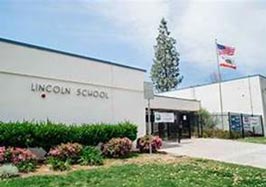
Healthy Development Services
Lincoln Elementary School
1029 North Broadway, Trailer 31
Escondido, CA 92026

Healthy Development Services
Fallbrook Family Resource Center
202 West College Street
Fallbrook, CA 92069
Ubicaciones
Servicios de Desarrollo Saludable
1320 West Valley Parkway, Suite 301
Escondido, CA 92029
Servicios de Desarrollo Saludable
Escuela Primaria Lincoln
1029 North Broadway, Trailer 31
Escondido, CA 92026
Servicios de Desarrollo Saludable
Centro de Recursos Familiares de Fallbrook
202 West College Street
Fallbrook, CA 92069